
Types of bingo games: Your Complete Guide to Fun
Delve into the exciting world of types of bingo games, a classic pastime enjoyed by generations. Known for its simplicity and social nature, Bingo offers the thrill of chance, the excitement of winning, and the joy of community. Whether you’re new to Bingo or looking to sharpen your knowledge, this guide covers the most popular Bingo variations and the essential bingo rules to get you started.
What is Bingo?

Bingo is a game of chance where players mark numbers on cards as they are randomly drawn. The objective is to complete specific patterns such as a line, four corners, or a full house. The first player to complete the required pattern calls out “Bingo!” to win.
Over the years, Bingo has evolved into several exciting formats, both in traditional halls and digital platforms, making it a popular pastime for players of all ages. Understanding the different types of bingo games enhances your playing experience.
Popular types of bingo games
There are several distinct how to play bingo variations, each with its own unique characteristics.
1. 75-Ball Bingo
This version is the most popular format in North America and is a foundational type of bingo games.
- Card Layout: A 5×5 grid with 25 squares. The center square is usually marked as “Free.”
- Numbers Range: 1 to 75.
- Objective: Complete a specific pattern (e.g., straight line, diagonal, X pattern) or a full house.
How to Play 75-Ball Bingo:
Players receive one or more cards. A caller randomly selects numbers between 1 and 75. If the number appears on a player’s card, they mark it. The first player to complete the designated pattern shouts “Bingo!” and wins the game. This is a classic example of 75-ball bingo gameplay.
2. 90-Ball Bingo
Widely popular in the UK, Australia, and parts of Europe, 90-ball bingo offers a distinct experience.
- Card Layout: A 9×3 grid with 15 numbers spread across each card.
- Numbers Range: 1 to 90.
- Objective: Three ways to win – one line, two lines, or a full house (all 15 numbers).
How to Play 90-Ball Bingo:
The game follows three stages. The first player to mark one line wins the first prize. The game continues until two lines and finally the full house winner are declared. This multi-stage winning makes it one of the engaging types of bingo games.
3. 80-Ball Bingo
A hybrid of the 75-ball and 90-ball versions, 80-ball bingo is often played online.
- Card Layout: A 4×4 grid with 16 squares.
- Numbers Range: 1 to 80.
- Objective: Players aim to complete patterns like columns, rows, diagonals, or special designs.
How to Play 80-Ball Bingo:
Numbers between 1 and 80 are drawn randomly. Players mark the numbers on their cards and complete the required pattern to win. This variation offers a medium pace for players.
4. 30-Ball Bingo (Speed Bingo)
A fast-paced version designed for quick rounds, commonly found on online Bingo sites. It’s one of the quicker types of bingo games.
- Card Layout: A 3×3 grid with 9 squares.
- Numbers Range: 1 to 30.
- Objective: The typical winning pattern is a full house (all numbers marked).
How to Play 30-Ball Bingo:
Due to fewer numbers, this game moves fast, making it perfect for players who prefer quick sessions and rapid gameplay. It’s an excellent choice for those seeking a quick bingo fix.
Basic Bingo Rules
Despite different formats, most types of bingo games share these universal bingo rules:
- The Bingo Card: Each Bingo card has a grid filled with random numbers based on the game’s format. Players can use physical paper cards in traditional halls or virtual cards in online Bingo.
- Number Calling: A random number generator (in online games) or a Bingo caller (in-person) draws numbers from a pool (e.g., 1-75, 1-90). Players must listen carefully and mark numbers on their cards if called.
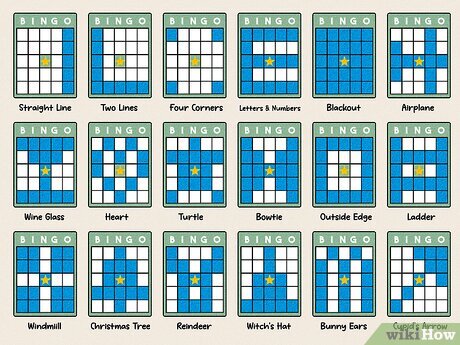
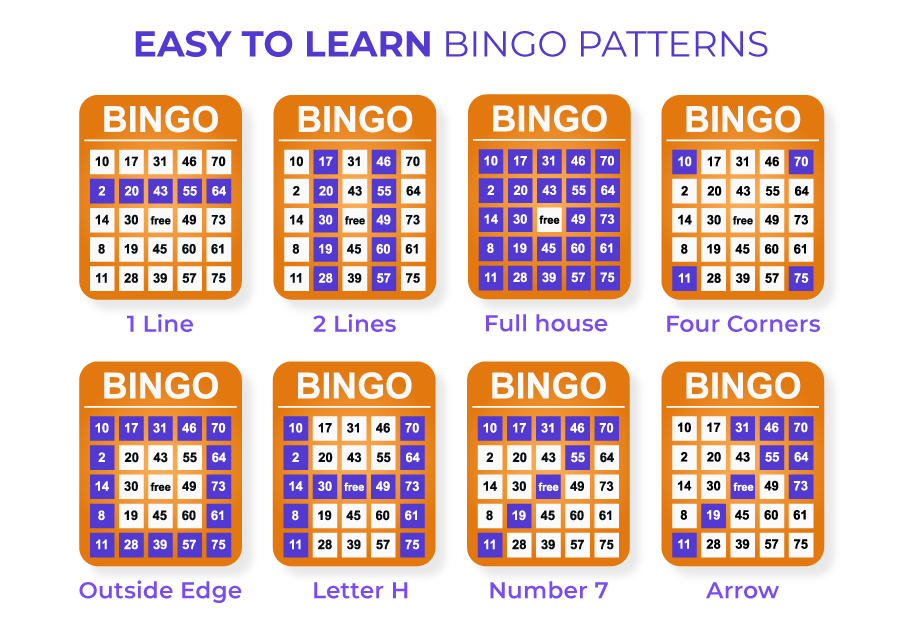
- Winning Patterns: The goal is to complete the specified winning pattern, which can vary depending on the game, covering the core of how to play bingo.
- Horizontal line
- Vertical line
- Diagonal line
- Four corners
- Full house (all numbers)
- Special patterns (e.g., “X,” square, or blackout)
- Declaring Bingo: Once a player completes the winning pattern, they must call out “Bingo!” to stop the game. The card is then verified. If the pattern is valid, the player wins the prize. If not, the game resumes.
- Multiple Winners: In the case of a tie (multiple players calling Bingo on the same draw), the prize is either split equally or shared as per the game’s rules.
Common Bingo Variations
Beyond the standard types of bingo games, there are often special variations to keep the game exciting.
1. Pattern Bingo
In some games, specific patterns are required to win, such as:
- Letter patterns (E, X, L, T)
- Shapes (heart, diamond)
- Picture frames (border around the card)
Conclusion
Exploring the different types of bingo games reveals a rich and diverse world of entertainment. From the classic 75-ball bingo common in North America to the popular 90-ball bingo in the UK, each variation offers unique rules and exciting gameplay. Understanding these differences, along with the fundamental bingo rules, will enhance your experience and help you master how to play bingo. So grab a card, listen for the numbers, and get ready to shout “Bingo!”









Reviews
There are no reviews yet.