
Types of racing: The Ultimate Guide
There are many exciting types of racing, spanning from traditional athletic sprints to high-octane motorsports. At its core, racing is about speed, strategy, and endurance, making it an exciting category for participants and spectators alike. Whether you are into running races, cycling, or car racing, understanding the essential games and rules of racing is key to fully appreciating the sport.
What is Racing?
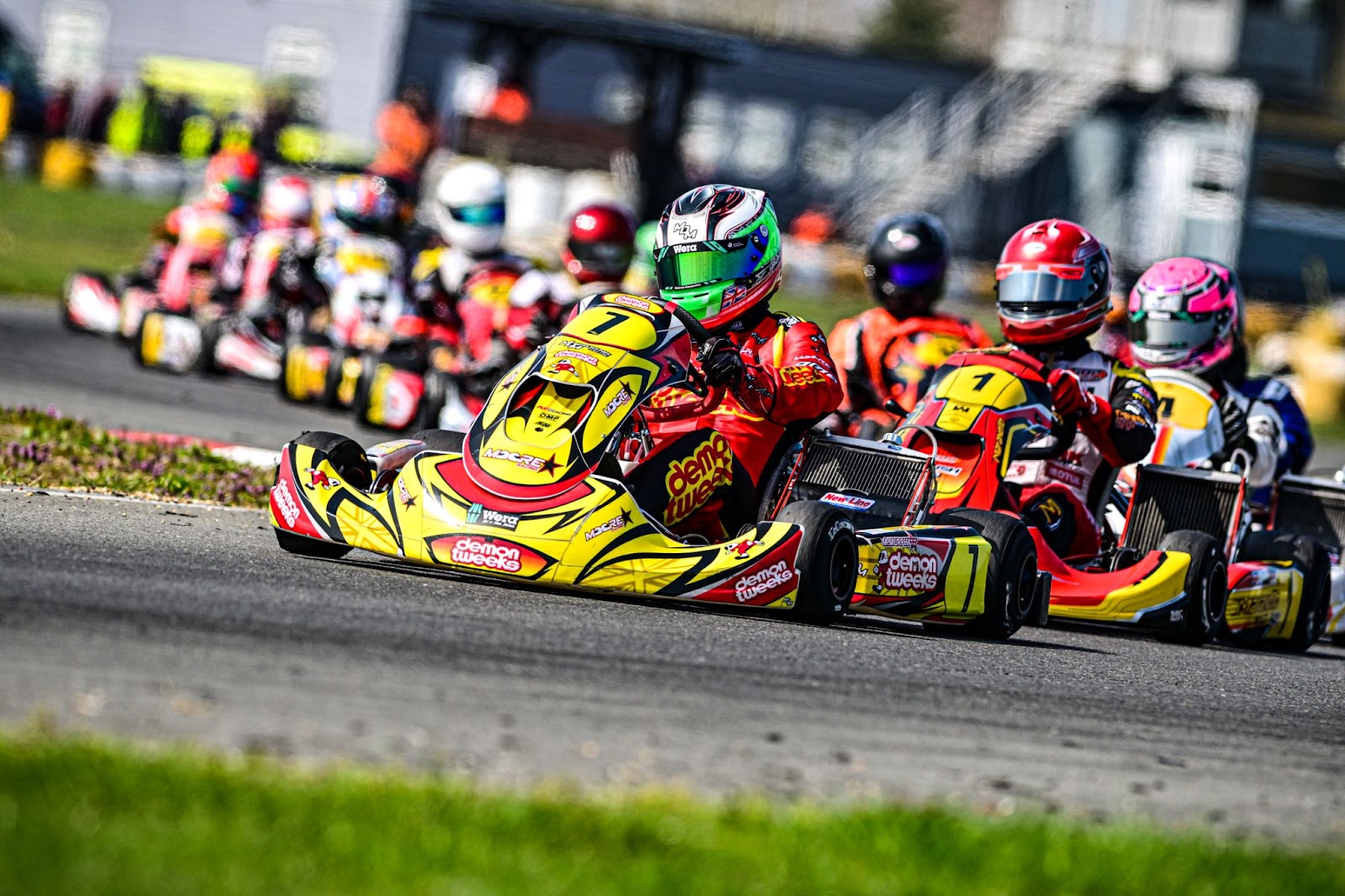
Racing refers to competitive events where participants aim to reach a set destination or complete a course in the shortest amount of time. Races can involve individuals, teams, or vehicles, and may occur on tracks, roads, water, or off-road terrain. The winner is typically the competitor who finishes first or records the fastest time.
Understanding Racing Game Rules
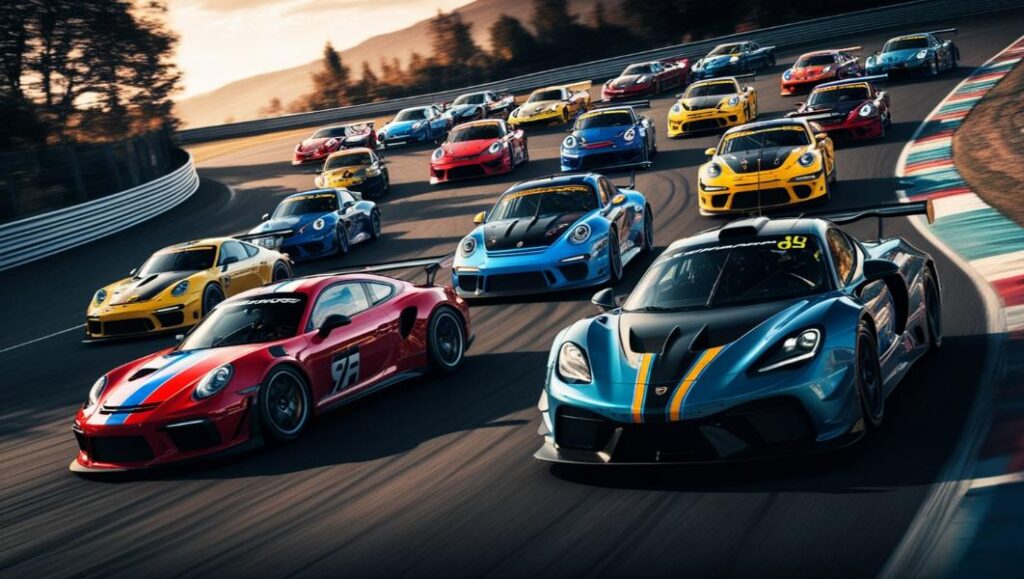
Each type of racing has its own specific rules and regulations designed to ensure fair play and safety. Familiarity with these rules enhances the viewing and participation experience. Let’s explore some popular types of racing.
1. Track and Field Rules (Athletics) Races
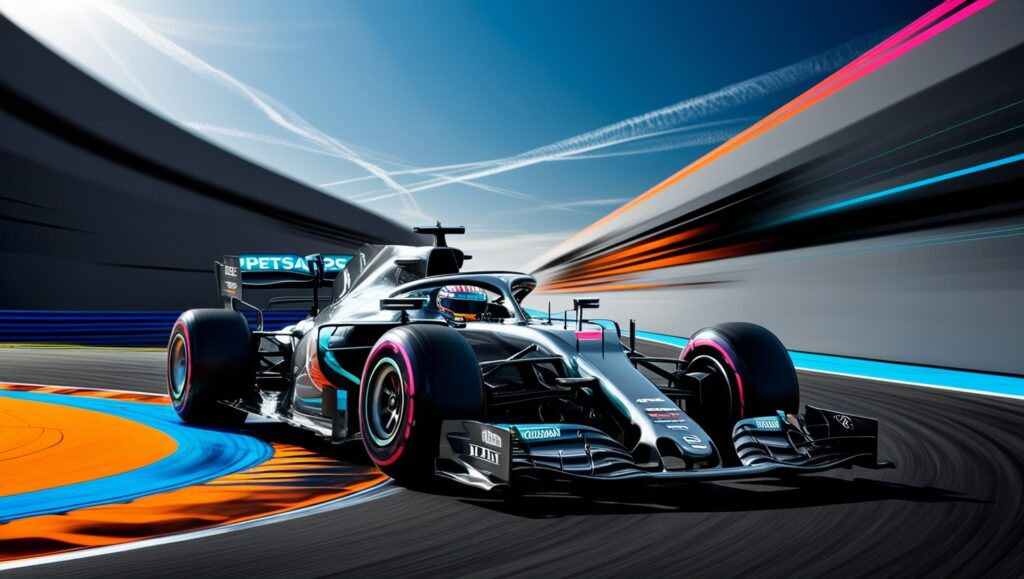
Track racing is one of the oldest forms of competition, dating back to the Olympic Games in ancient Greece. These are fundamental types of racing.
- Common Races:
- 100m, 200m, 400m sprints
- Middle-distance races (800m, 1500m)
- Long-distance races (5,000m, 10,000m)
- Relays (4x100m, 4x400m)
- Basic Rules:
- Runners must stay within their assigned lanes for sprint races.
- In long-distance races, athletes can break out of their lanes after the initial curve.
- A false start (leaving the blocks before the starting gun) leads to disqualification.
- The winner is the first to cross the finish line.
2. Marathon Racing Guide
Marathon racing is a globally popular long-distance event that requires both stamina and pacing. It’s a challenging and rewarding type of racing.
- Distance: 42.195 kilometers (26.2 miles)
- Terrain: Typically road races with some featuring off-road or mixed-terrain segments.
- Basic Rules:
- Water and medical stations are provided along the route.
- Athletes must complete the full course and avoid shortcuts.
- Assistance (e.g., pacing by a vehicle) is prohibited.
- The first runner to finish the course is the winner.
3. Cycling Races
Cycling is one of the most popular endurance racing sports, with events held on roads, velodromes, and mountainous trails. These types of racing test endurance.
- Popular Events:
- Road racing (e.g., Tour de France)
- Track cycling
- Time trials
- Mountain biking
- BMX racing
- Basic Rules:
- Riders must follow the designated course.
- Drafting (riding behind another rider to reduce wind resistance) is permitted in most formats.
- Team tactics, such as lead-outs and breakaways, are common.
- Helmets and safety gear are mandatory.
4. Formula 1 (F1) Racing
Formula 1 is the pinnacle of motorsport, featuring open-wheel, single-seater race cars that compete in a series of Grand Prix events globally. This is a high-speed type of racing.
- Race Format:
- 20 drivers compete over several laps (usually between 50 to 70) on circuits around the world.
- Races are held on permanent racetracks or street circuits.
- Basic Rules:
- Drivers must complete the designated laps; the first driver to cross the finish line wins.
- Pit stops are required to change tires or address technical issues.
- Overtaking must be conducted safely within designated zones.
- Penalties are issued for infractions like cutting corners or unsafe driving.
5. MotoGP (Motorcycle Grand Prix)
MotoGP is the premier motorcycle road racing championship featuring high-speed bikes and elite riders. It’s another thrilling type of racing.
- Race Format:
- Motorcyclists race on road circuits in multiple rounds throughout the season.
- Each race consists of laps covering around 100-130 km.
- Basic Rules:
- Riders must adhere to track limits.
- Protective gear (leathers, helmets, gloves) is compulsory.
- Overtaking and cornering require adherence to safety protocols to avoid collisions.
- Points are awarded based on finishing positions and accumulate across the season.
6. Drag Racing
Drag racing involves two vehicles competing side-by-side on a straight track, usually 1/4 mile (402 meters) long. This type of racing is all about raw acceleration.
- Basic Rules:
- The winner is the vehicle that crosses the finish line first.
- Races are often timed with “reaction times” and “elapsed times” recorded.
- Staging involves precise alignment before the green light signals the start.
Conclusion
From the ancient origins of track and field to the modern marvels of Formula 1, the world of racing offers a diverse range of challenges and spectacles. Each of these types of racing provides unique thrills, demanding different skills, strategies, and adherence to specific rules. Understanding these elements enhances appreciation for the competitive spirit and athletic prowess involved in every race.







Reviews
There are no reviews yet.